
We design Japan trips around places that feel intimate and unexpectedly varied: the smoky, lantern-lit lanes of Shimbashi; the quiet dawn stillness of Shirakawa-go after the crowds leave; the terraced tea fields of Yame, where family producers share their craft; and Ishigaki's reef-blue waters, white-sand beaches, and island cuisine. A journey of striking contrasts, from urban energy to elemental calm.
In our studio, we build Japan trips around places that feel intimate and surprisingly varied.
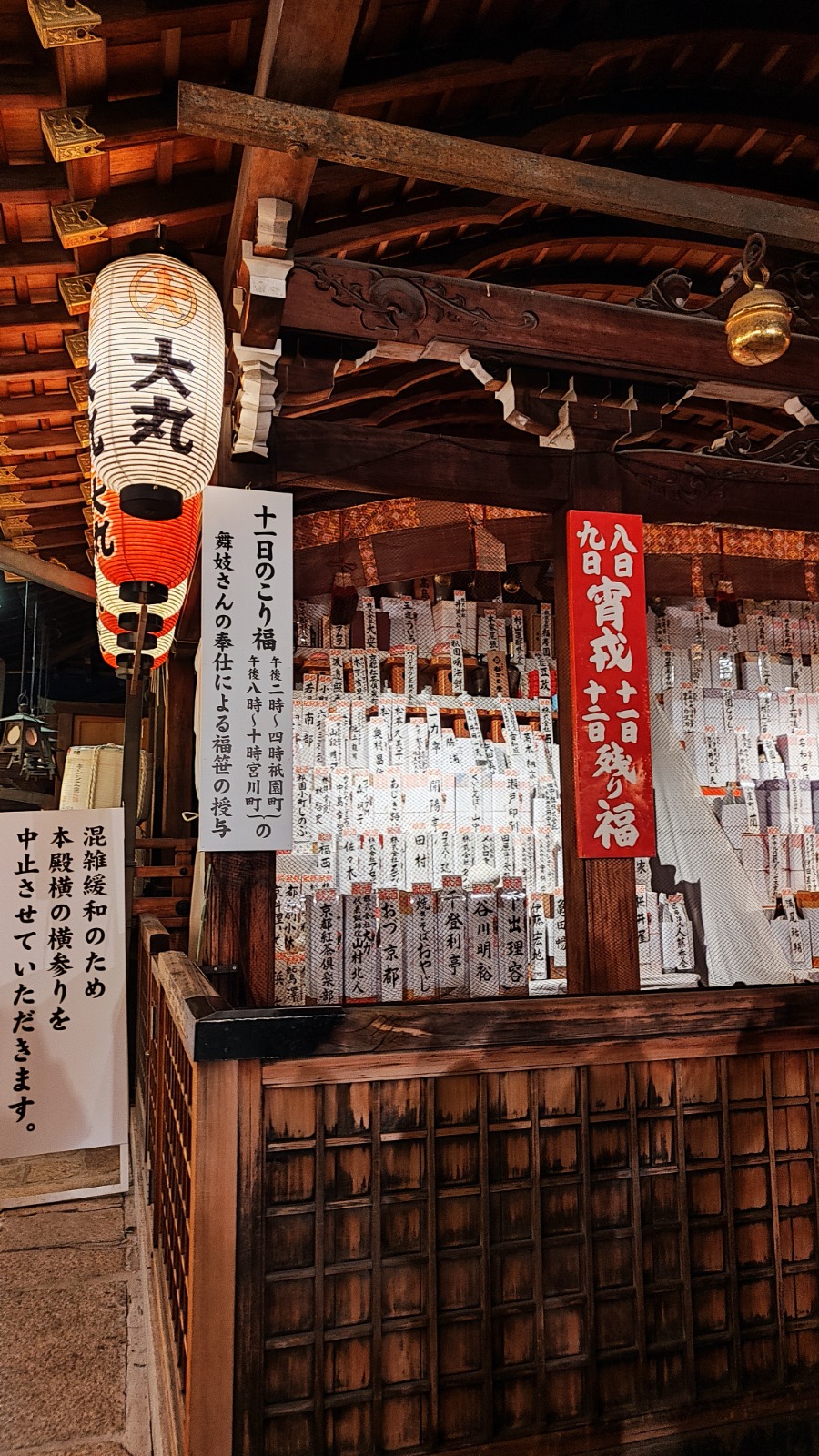
We’ve explored Shimbashi, where the atmosphere is defined by the narrow lanes tucked beneath elevated railway tracks. Here, the scent of yakitori smoke and the lively hum of standing bars capture a gritty, authentic side of the capital that thrives long after the office lights dim.
From the urban rush, we head into the Japanese Alps to the UNESCO-listed village of Shirakawa-go. Staying overnight in a traditional gassho-zukuri farmhouse offers a profound shift in perspective. As day-trippers depart, the village returns to a hushed stillness, best experienced during a dawn walk when the mist clings to the valley floor and the ancient architecture emerges in the soft morning light.
We then move south into the rolling green folds of the Yame tea region, where terraced fields are tended by small family-run producers. Engaging with these artisans provides a technical insight into the nuances of different harvests, turning a simple tasting into a deep exploration of craft and heritage.
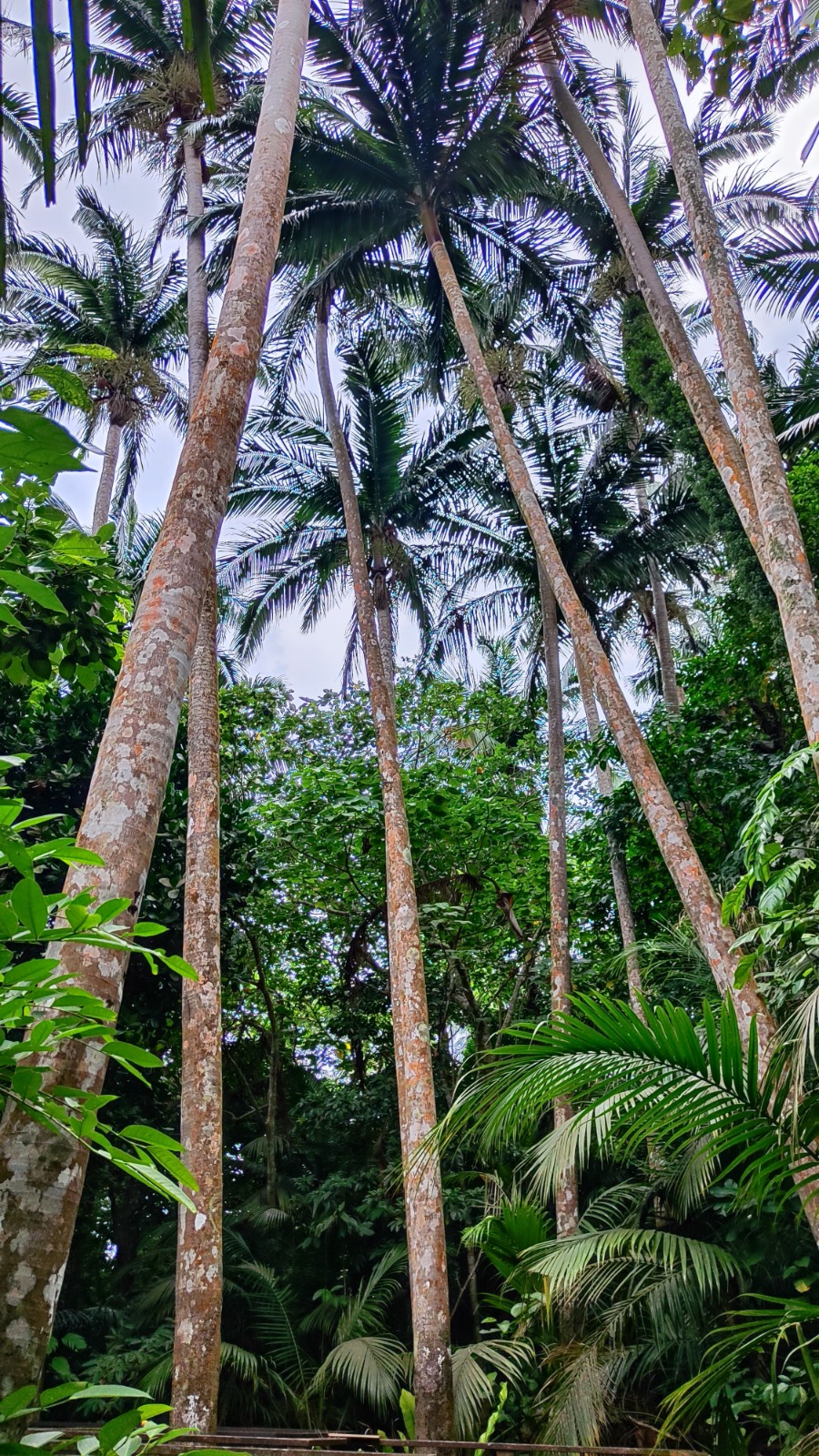
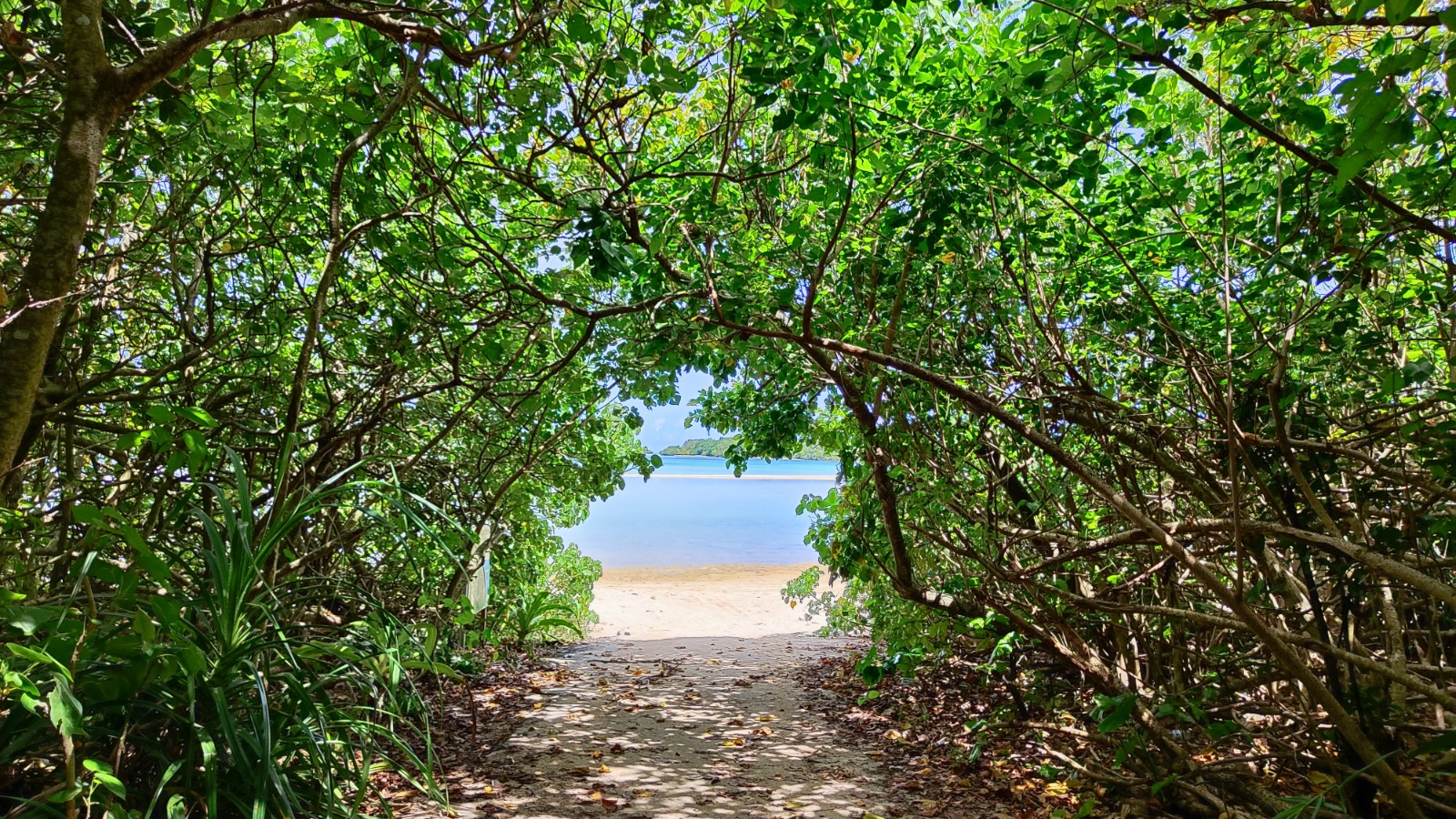
We finish on the subtropical island of Ishigaki, where the pace becomes entirely elemental. Life here revolves around the reef-blue waters and quiet, white-sand beaches. Days are spent snorkelling in protected marine parks, while evenings are dedicated to a cuisine built around the island's unique seafood and local produce, offering a final, serene contrast to the journey's start.
How do you imagine your trip in Japan?
The stories and details that transform a Japan trip from tourism into understanding.
The Nakizumo Crying Baby Festival, held at temples such as Sensoji, is a 400-year-old ritual. Sumo wrestlers hold babies and try to make them cry first. The belief: strong crying repels evil and brings health.
Bowing is more than a greeting, it is a social code taught from childhood. Depth and duration signal relationship and status: 15° for casual greetings, 30° for polite encounters, 45° or more for deep respect.
In Japan, premium fruit is a luxury gift and status symbol. Shizuoka's Crown Melons are limited to one fruit per vine. Prices run 15,000-31,000 yen, with rare specimens fetching millions at auction.
What a Camelia Japan day looks like
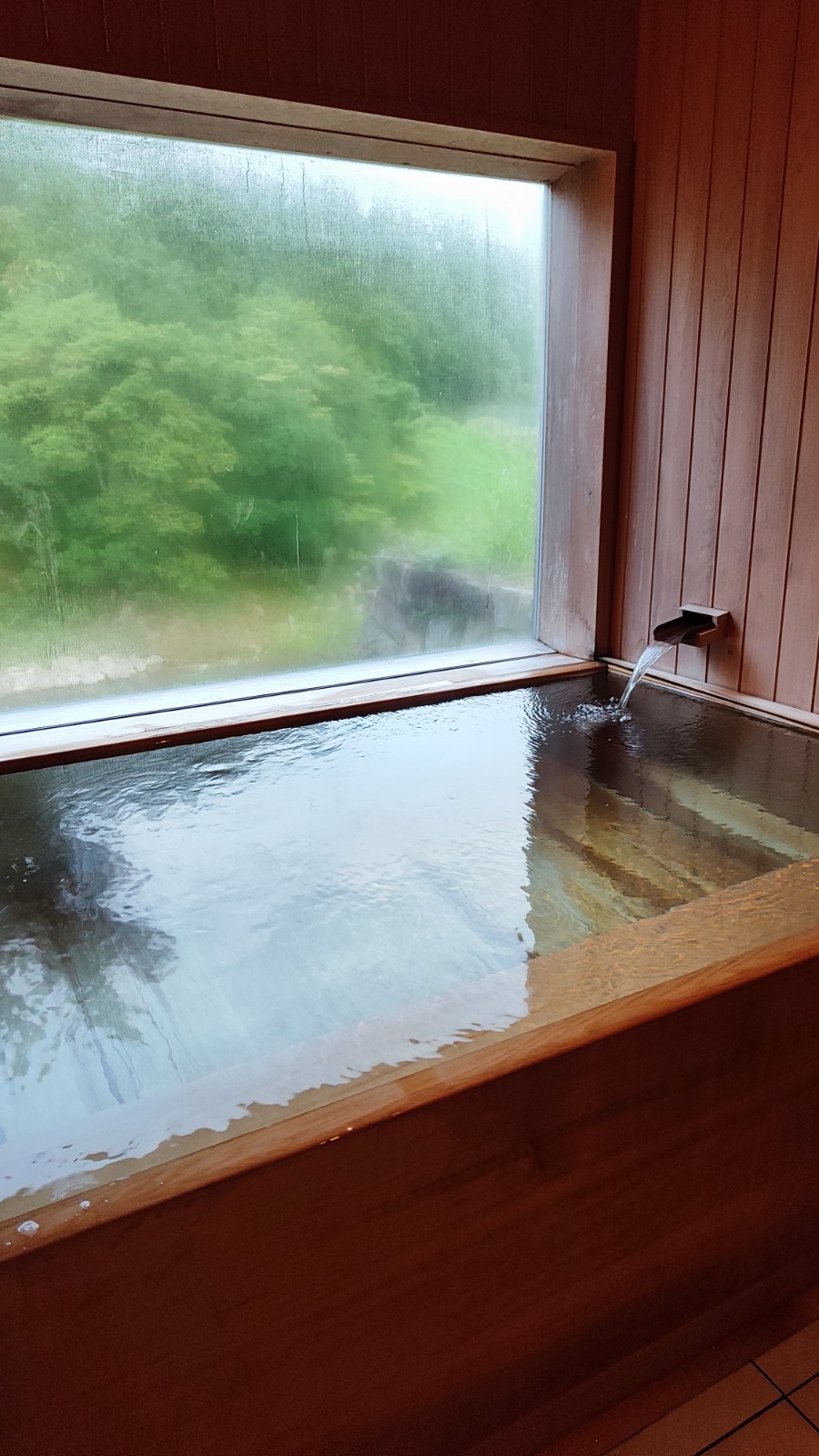
A private breakfast in your ryokan, featuring local seasonal delicacies - artisanal preserves, fresh seasonal fish and a morning broth that restores you completely.
A relaxing stroll through a historic quarter, exploring quiet backstreets, ancient architecture and hidden courtyard gardens well away from the usual footfall.
A century-old soba house or an intimate izakaya where the chef selects for you.
Visit a ceramics studio, lacquerware workshop or traditional tea room. You witness a craft passed down through generations - not as a tourist, but as a guest.
A memorable Kaiseki dinner where each course highlights specific seasonal ingredients, balancing traditional cooking techniques with the natural harvest of the Japanese landscape.
Book your free 30-minute consultation with our expert travel designer.
Book Now